STEPPING STONES
Professional Development
for ECEs

- Meet The Team
- ECE Conferences
- 2026 Conference
- Conference Team
- Meet the Presenters
- Professional learning
- Lifetime Professional Learning
- Leadership Consultancy
- Group training
- Professional learning
- Reflective Hub
- Speaking Engagement
- Resources
- …
- Meet The Team
- ECE Conferences
- 2026 Conference
- Conference Team
- Meet the Presenters
- Professional learning
- Lifetime Professional Learning
- Leadership Consultancy
- Group training
- Professional learning
- Reflective Hub
- Speaking Engagement
- Resources


STEPPING STONES
Professional Development
for ECEs
- Meet The Team
- ECE Conferences
- 2026 Conference
- Conference Team
- Meet the Presenters
- Professional learning
- Lifetime Professional Learning
- Leadership Consultancy
- Group training
- Professional learning
- Reflective Hub
- Speaking Engagement
- Resources
- …
- Meet The Team
- ECE Conferences
- 2026 Conference
- Conference Team
- Meet the Presenters
- Professional learning
- Lifetime Professional Learning
- Leadership Consultancy
- Group training
- Professional learning
- Reflective Hub
- Speaking Engagement
- Resources


Guiding Behaviour Through Inclusive, Regulation-Focused Practice 2.0
Supporting children through connection, regulation and inclusive practice, not behaviour management.
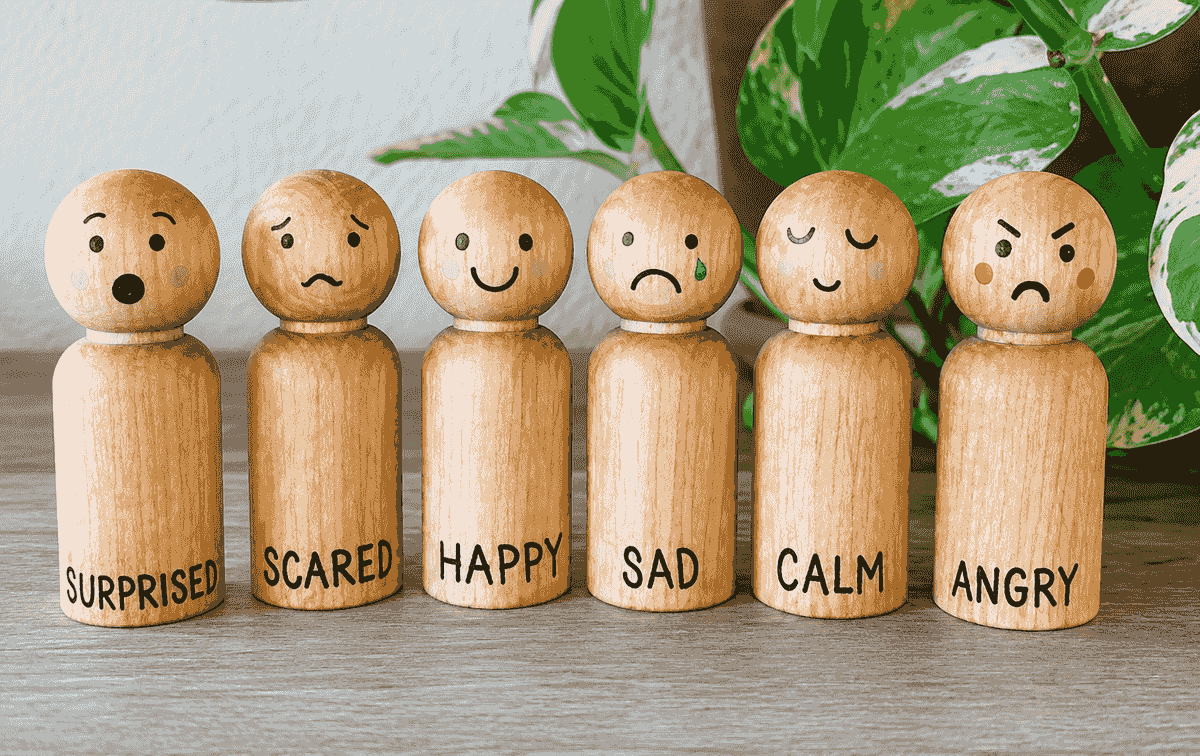
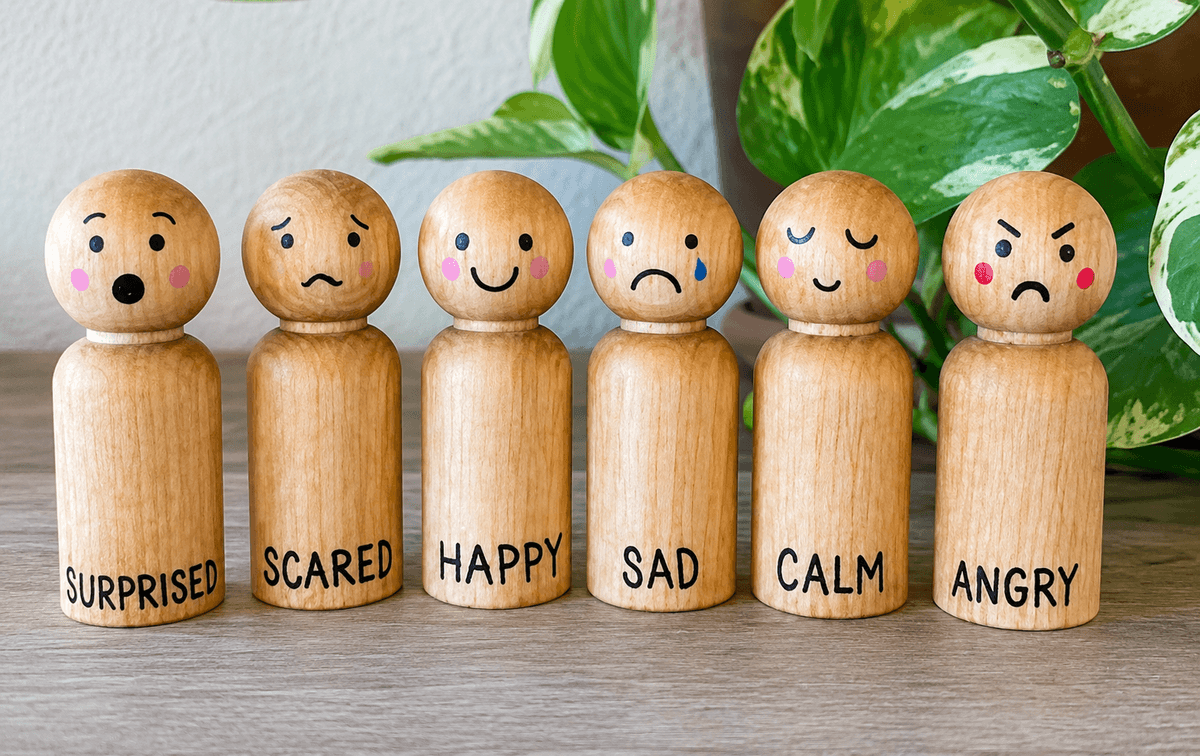
Every behaviour is communication.
When educators understand nervous system regulation, emotional development and inclusive practice, challenging moments become opportunities to build relationships rather than control behaviour.
This practical professional learning experience equips educators with evidence-informed strategies that create calmer learning environments while strengthening children's confidence, wellbeing and belonging
Why Guiding Behaviour Needs a Different Approach
“Consistency isn’t just policy — it’s emotional safety.”
False Belief: Children's behaviour can be changed through rewards, consequences and repeated reminders.
Truth: Behaviour is communication. Lasting change happens when educators understand what behaviour is communicating and respond with curiosity, regulation and respectful guidance
False Belief: Challenging behaviour should be managed.
Truth: Children thrive when educators build relationships, support emotional regulation and create environments where every child feels safe, understood and included.
False Belief: Every child responds to the same behaviour strategy.
Truth: Inclusive practice recognises that every child is unique. Effective guidance considers each child's development, experiences, strengths and individual needs.
False Belief: Behaviour guidance is about stopping unwanted behaviour.
Truth: Behaviour guidance is about teaching skills, strengthening relationships and supporting every child's emotional development.
What You Will Learn
Educators will explore:
1Understanding behaviour as communication
2Emotional regulation and co-regulation
3The developing brain
4Trauma-aware and inclusive practice
5Supporting children with additional needs
6Responding instead of reacting
7Building emotionally safe environments
8Practical strategies for everyday situations
9Working collaboratively with families

Why this course matters
Rather than asking:
"How do I stop this behaviour?"
Educators begin asking:
"What is this child telling me?"
That small shift transforms relationships.
Children feel understood.
Educators feel more confident.
Learning environments become calmer and more connected.
Is This Course Right For You?
This course is designed to support educators, leaders, and services globally who are seeking to build consistent, thoughtful approaches to guiding behaviour and supporting children’s emotional regulation across all early learning environments.
Early Childhood Educators
Educational Leaders
Centre Directors
Approved Providers
Inclusion Support Educators
Family Day Care Educators
Preschool Teachers
Students studying Early Childhood Education

Course Curriculum
Welcome
Get started with an introduction to the course and your professional learning journey.
Lesson One: Guiding Frameworks
Explore the foundations of respectful, relationship-centred behaviour guidance.
Lesson Two: The Brain
Understand how brain development, regulation and executive functioning influence behaviour.
Lesson Three: Connection
Discover why connection is the foundation for learning, wellbeing and behaviour guidance.
Lesson Four: Where to Start
Learn how to create environments that support children's success before expecting behaviour change.
Lesson Five: Informed Practices
Explore evidence-informed approaches including trauma-informed practice, emotion coaching and inclusive strategies.
Lesson Six: Putting Strategies into Practice
Apply practical regulation-focused strategies you can use immediately in your setting.
Lesson Seven: The Final Step
Bring your learning together with practical planning tools and reflective resources.
Your Instructors – Janine Kelly & Kristel Yangco
Janine Kelly and Kristel Yangco bring over 45 years of combined experience across Canada and Australia in early childhood education, leadership, and mentoring. Janine, founder of STEPPING STONES Professional Development, is recognised as an industry expert in inclusive practice and educator development. Kristel, a qualified Trainer and Assessor, specialises in guiding educators to build calm, connected classrooms through reflective, consistent practice. Together, they help educators transform challenging behaviours into opportunities for connection and growth.
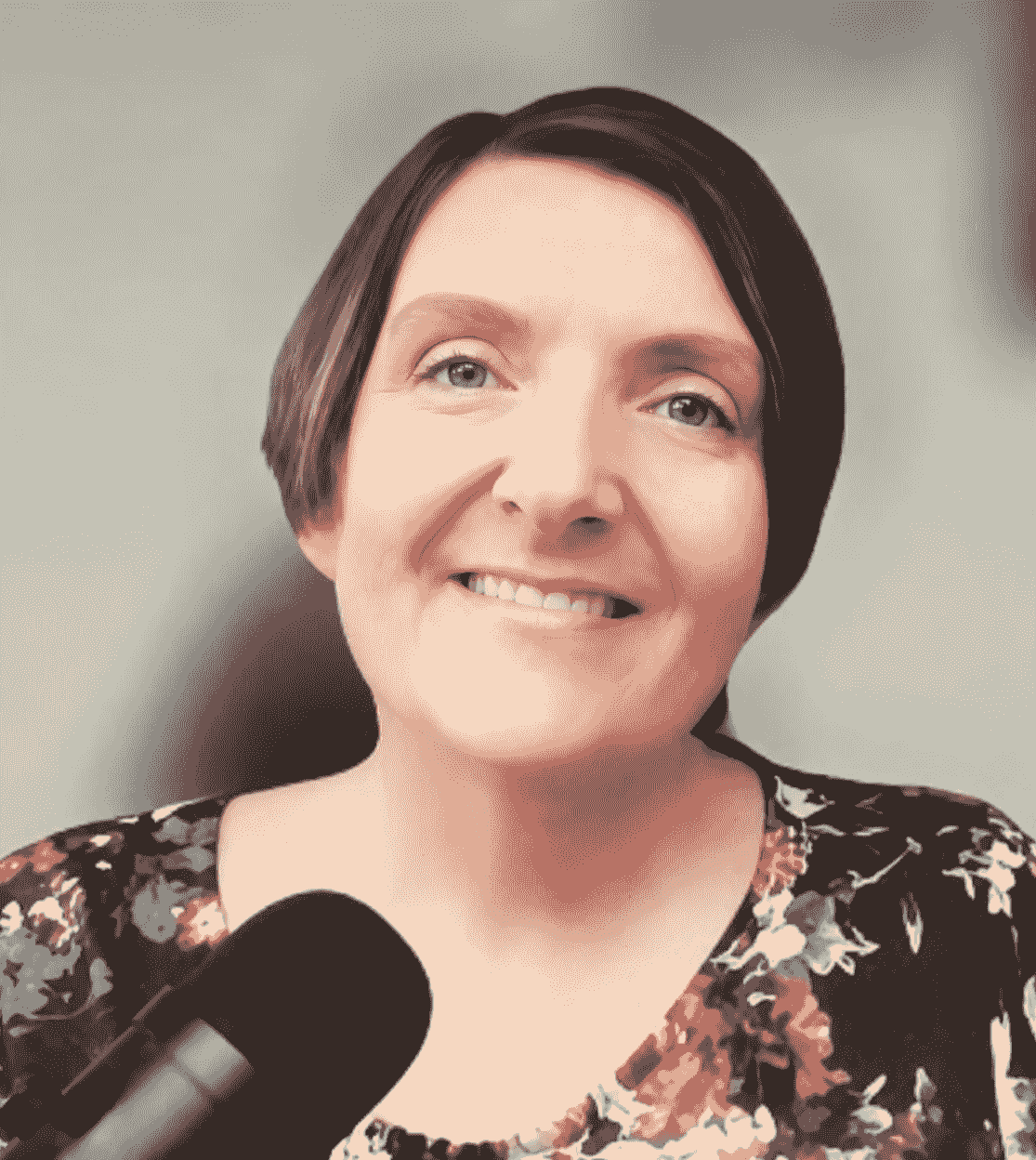
Janine Kelly
Founder, STEPPING STONES Professional Development for ECEs
Bachelor of Early Childhood Teaching
Trauma Informed Practice Trained

Kristel Yangco
Trainer and Assessor
Bachelor of Early Childhood Teaching
Training in Guiding and Behaviour Techniques
Included With This Course
For example:
✔ Lifetime Access
✔ Self-Paced Learning
✔ Certificate of Completion
✔ Downloadable Resources
✔ FREE Guiding Behaviour Companion Kit (Valued at $75)
✔ Learn Anywhere, Anytime
Frequently asked question?
How long does the course take?
This course is self-paced and can take up to four hours to complete.
Do I receive a certificate?
Once you submit all assignments, rate the course, and provide your feedback form, you will receive a certificate of participation for four hours.
Do I have lifetime access?
To get this course with lifetime access, you must register to become a member. This can be as an individual for different group sizes for small centres and larger organisations.
🌿Choose the Path That Suits You Best:
Option two:
Enrol in our Behaviours and Wellbeing Bundle for 12 months and SAVE
Option three
Choose one of our Lifetime Access Memberships and get all courses in our Professional Learning Catalouge for life.